Spring Water
Sourced from natural underground springs. Contains naturally occurring minerals and typically has a fresh, clean taste profile.
Not all water is the same. Learn about the differences between spring, mineral, filtered, and other water sources to make informed choices.
The water you drink varies significantly depending on its source, treatment, and mineral composition. Understanding these differences helps you choose what suits your taste and daily routine best.
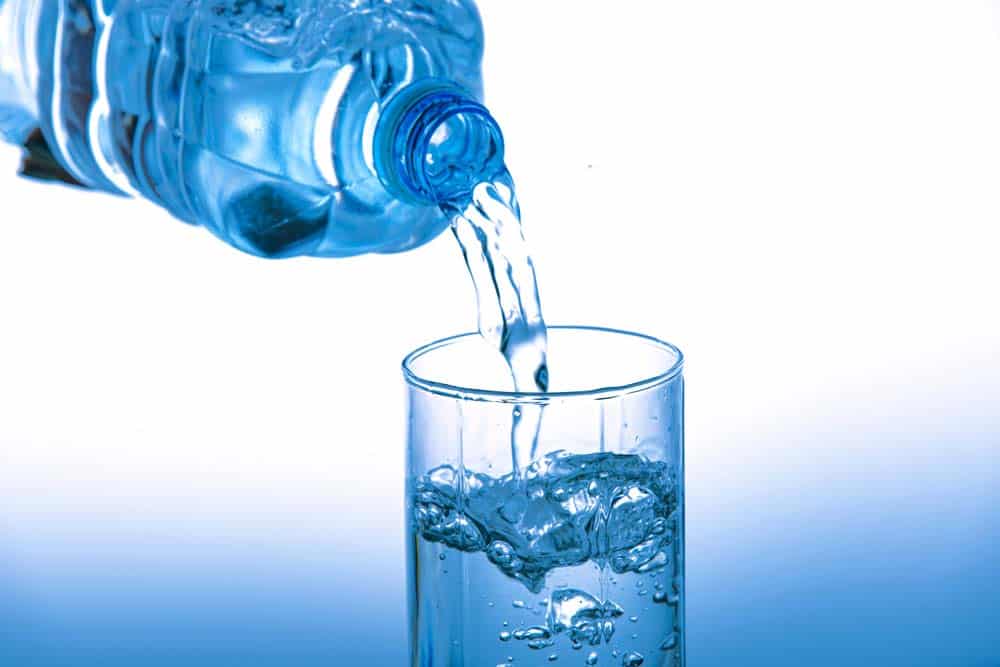
Each type of water has unique characteristics. The best choice often depends on personal preference, local availability, and your specific hydration goals.
Here is a breakdown of the most widely available water types and what makes each one distinct.
Sourced from natural underground springs. Contains naturally occurring minerals and typically has a fresh, clean taste profile.
Contains at least 250 parts per million of dissolved minerals. Rich in calcium, magnesium, and other trace elements from geological formations.
Tap water processed through carbon, reverse osmosis, or other filtration systems. Removes impurities while varying in mineral retention.
Produced by boiling and condensation. Very pure with minimal mineral content. Often used in appliances and specific applications.
Municipal supply treated for safety standards. Quality varies by region. Often supplemented with fluoride and monitored regularly.
Water with a pH above 7, sometimes naturally occurring, sometimes processed. Some people prefer its taste characteristics.
Consider these factors when selecting your daily water source.
Mineral content affects flavour. Try different sources to find what you enjoy drinking consistently.
The best water is the one you will actually drink. Choose accessible options for daily consistency.
Filtered tap water offers good quality at low cost. Premium bottled options are suitable for occasional use.
Reusable bottles with home filtration reduce plastic waste while maintaining water quality.
All materials and practices presented are educational and informational in nature and aimed at supporting general well-being. They do not constitute medical diagnosis, treatment, or recommendation. Before applying any practice, especially if you have chronic conditions, consult a physician.